


As Europe realizes that it cannot rely on the US, it must come up with alternate methods to ensure its safety
Updated: Mar 19, 2025
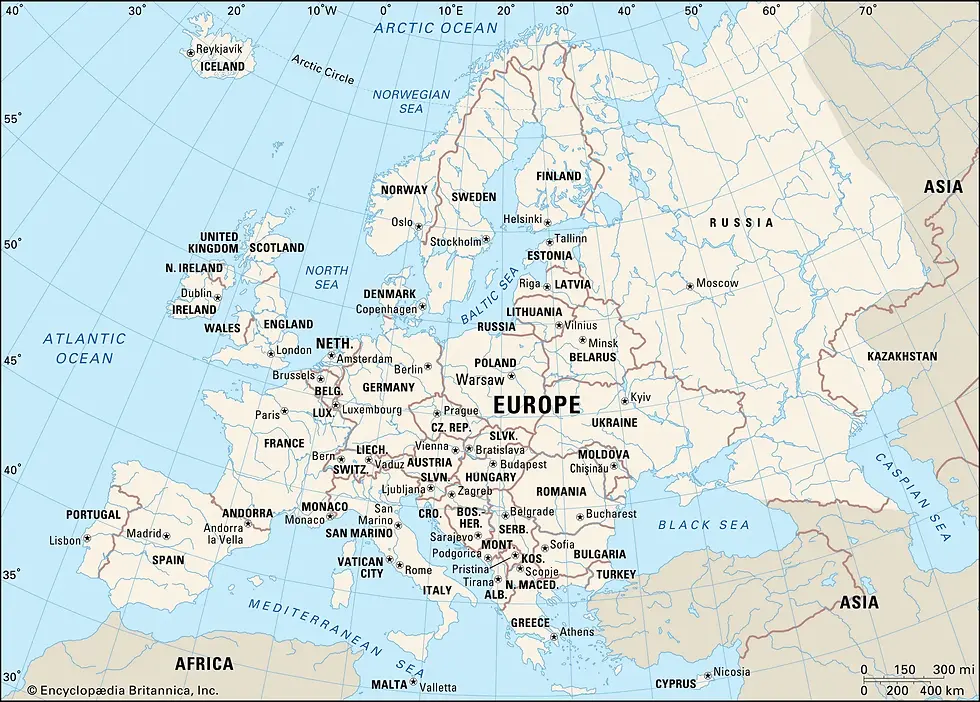
Germany's Chancellor-designate, Friedrich Merz, has ignited a significant discussion within Europe by proposing that Germany engage with France and the United Kingdom regarding nuclear deterrence strategies. This proposal stems from escalating concerns about the steadfastness of U.S. security commitments under President Donald Trump, who has openly questioned the automatic defense of NATO allies, especially those not meeting defense spending thresholds.
Poland has also entered this discourse. Prime Minister Donald Tusk highlighted that evolving U.S. geopolitical strategies could place nations like Poland and Ukraine in more precarious positions. President Andrzej Duda further suggested relocating some U.S. nuclear assets from Western Europe to Poland to enhance regional security.
Presently, France and the United Kingdom are the sole nuclear-armed European nations, with arsenals considerably smaller than that of the United States. France maintains full autonomy over its nuclear forces, whereas the U.K.'s capabilities are intertwined with U.S. technology, raising questions about the feasibility of a wholly European-led nuclear deterrent supplanting the American nuclear umbrella.
The ramifications for the Russia-Ukraine conflict are profound. A bolstered European nuclear deterrence could either serve as a caution against further Russian aggression or exacerbate existing tensions. Simultaneously, doubts about U.S. commitments have prompted European allies to reassess their defense postures, potentially signaling a transformative shift in NATO's security dynamics. To Read More, Check out these links: https://www.nytimes.com/2025/03/15/world/europe/nuclear-deterrent-trump.html


Comments